
Honey Guide · 5 min read
Manuka Honey Texture: What Does Manuka Honey Look Like?
Manuka Honey isn’t runny like regular honey. Discover why it’s thick, creamy, and sometimes grainy - and what this unique texture reveals about quality, authenticity, and how it’s naturally made.
 By Brand Manager
Updated 26 May 2026
By Brand Manager
Updated 26 May 2026

Honey Guide · 5 min read
Manuka Honey Texture: What Does Manuka Honey Look Like?
Manuka Honey isn’t runny like regular honey. Discover why it’s thick, creamy, and sometimes grainy - and what this unique texture reveals about quality, authenticity, and how it’s naturally made.
By Brand Manager
Updated 26 May 2026

Honey Guide · 5 min read
Manuka Honey Texture: What Does Manuka Honey Look Like?
Manuka Honey isn’t runny like regular honey. Discover why it’s thick, creamy, and sometimes grainy - and what this unique texture reveals about quality, authenticity, and how it’s naturally made.
By Brand Manager
Updated 26 May 2026
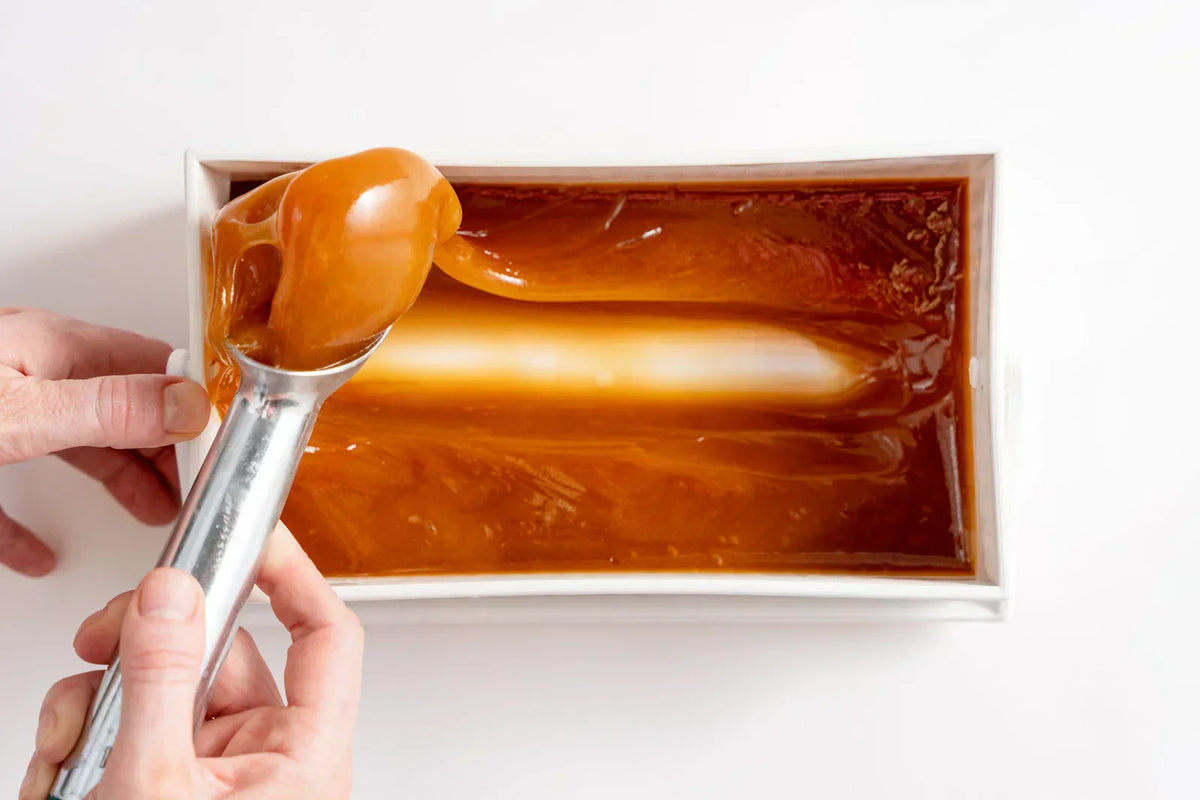
Manuka Honey isn’t runny like regular honey. Discover why it’s thick, creamy, and sometimes grainy - and what this unique texture reveals about quality, authenticity, and how it’s naturally made.
If you expect honey to be liquid gold, get ready for a surprise: Manuka Honey looks different.
You won’t see it dripping off a spoon like the clear stuff at your local supermarket. Instead, it’s thick, rich, and sometimes a little grainy. That texture is a hallmark of authenticity, and it tells you a lot about how it was made and what’s inside.
In this article, we’ll explore what Manuka Honey really looks like, why it feels so different, and how to know if your jar is the real thing.
In this Manuka Honey texture guide, we cover:
- What does Manuka Honey look like?
- Why is Manuka Honey creamy?
- Is Manuka Honey supposed to be grainy?
- What texture tells you about quality
- Why some honey is clear and runny
- Does Manuka Honey texture affect taste or benefits?
- How to tell if your Manuka Honey is the real deal
- Frequently asked questions
- Where to buy creamy, raw, genuine Manuka Honey
What Does Manuka Honey Look Like?
Imagine scooping honey rather than pouring it. That’s the first clue.
Manuka Honey is dense and spoonable, not slick or runny. It ranges in colour from light beige to deep amber, depending on factors like the season, region and climate.
It also tends to appear matte rather than glossy - an effect caused by the fine crystals that naturally form. This is part of what gives Manuka Honey its velvety consistency.
Texture-wise, it feels thick, rich, and sometimes slightly grainy - more like a soft caramel than a syrup.
Why Is Manuka Honey Creamy?
That smooth, indulgent texture doesn’t come from processing or whipping. It comes naturally. Here’s why:
- Natural crystallisation: Manuka Honey typically has a balanced ratio of glucose and fructose. That is, enough glucose to encourage natural crystallisation, gently thickening and forming a smooth, spoonable texture.
- Low moisture content: With moisture levels typically below 20%, Manuka Honey is naturally thick, creamy, and resistant to fermentation.
- Cool New Zealand climate: The mild, stable temperatures in New Zealand slow the crystallisation process, allowing the crystals to stay tiny and smooth, giving Manuka honey that signature soft-set texture.
Importantly, this creaminess is not the result of artificial creaming. Unlike some commercial honeys that are whipped to alter their texture, Manuka honey’s structure forms slowly and naturally.
Is Manuka Honey Supposed to Be Grainy?
It can be, and that’s not a flaw.
A gentle graininess (also knows as crystallisation) is often a sign that your Manuka Honey is raw and minimally filtered. Those grains are tiny crystals that form naturally due to the low moisture content, which prevents sugars from fully dissolving. They may also include trace amounts of pollen or beeswax, both of which are completely safe to eat.
This slightly grainy texture can vary from jar to jar, depending on the harvest season, age of the honey, and its storage conditions.
If you’d prefer a smoother Manuka honey texture, you can gently heat it in warm water before consuming.
What Texture Tells You About Quality
Texture is more than a feel. It’s a clue. Creamy or slightly grainy honey indicates that it’s likely raw, unprocessed, and still contains the good stuff - like enzymes, prebiotics, and other valuable nutrients.
On the other hand, clear, syrupy honey may be a sign that it’s been pasteurised, filtered, or blended. That may make it easier to pour, but it also strips away many of the elements that make Manuka Honey special.
A bit of variation should be expected, too. Nature doesn’t make identical jars. Some batches may be firmer, some looser - that’s part of what you get when buying a wild-harvested product. Each batch is unique.
Why Some Honey Is Clear and Runny
Most supermarket honeys are heavily processed to delay crystallisation and give that classic commercial, clear, runny look. Here’s how they do it:
- Pasteurisation: Heating honey to high temperatures helps prevent it from crystallising on the shelf, but it can also destroy the beneficial compounds and degrade taste.
- Fine filtration: This removes pollen and other naturally occurring components, making the honey look smooth and uniform - but also stripping away much of its nutritional value.
- Diluting: Some producers also add sugar syrup to dilute the honey and stretch stock. While this allows them to offer each jar at a lower price, it means that you’re often buying a bottle of sweetener with a small amount of honey added.
Proper, raw, UMF™-certified Manuka honey from New Zealand doesn’t go through this. That’s why it looks (and feels) so different. It’s honey in its natural state.
Does Manuka Honey Texture Affect Taste or Benefits?
When it comes to the strength of Manuka Honey, texture doesn't matter. The beneficial properties are measured by the UMF™ or MGO rating, which indicate the levels of key compounds like methylglyoxal. The consistency of the honey, whether it's thick and creamy or more liquid, has no impact on its potency. However, how the honey is processed can make a difference. Overheating and aggressive filtering can reduce these beneficial compounds, so a perfect texture may come at a cost if it's not done carefully. That's why raw Manuka Honey is so valued: it delivers both its natural texture and potent bioactive properties.
While texture doesn't impact the benefits, it definitely affects the taste. A creamy, thicker Manuka Honey melts slowly in your mouth, coating your palate and delivering a deeper, richer flavour. Its caramel tones linger longer, and the spoonable consistency means you can enjoy every drop without the mess of a runny honey.
How to Tell If Your Manuka Honey Is The Real Deal
Wondering if your jar is the real deal? Look for these signs:
- Creamy texture or soft graininess: Not too smooth, not too slick.
- UMF™ or MGO rating on the label: Independent certification matters.
- Traceable to New Zealand: True Manuka Honey only comes from NZ.
- Natural variation between batches: Uniformity is for factories - not nature.
- Batch code: Allows you to verify its origin and quality. Our Manuka honey can be traced back to the source here.
These markers help ensure you're getting authentic, high-quality Manuka Honey - not an imitation.
Why isn’t Manuka Honey runny like other honey?
Because Manuka Honey is raw, naturally low in moisture, and made from nectar that’s high in glucose, it tends to crystallise slowly and evenly - giving it that thick, creamy texture you don’t tend to find in runny supermarket honey.
Is grainy honey bad?
Not necessarily. It’s a sign that your honey probably hasn’t been over-processed.
Can I make it runny?
Yes. To do this, place the jar in a bowl of warm (not hot) water for 15–20 minutes. Avoid using the microwave, which can damage the beneficial properties.
Discover the Creamy, Raw Goodness of Real Manuka Honey
At New Zealand Honey Co., we let nature do the work. Our Manuka honey is raw, UMF™ certified, and naturally thick and creamy.
Each jar captures the essence of where it was sourced from - wild, unique, and beautifully delicious. We only deal in real.
Get your raw Manuka Honey
Discover our rangeUnsure which grade is right for you?
Take the quiz
Manuka Honey for a Sore Throat: Best MGO Level to Use
That scratchy, raw feeling at the back of the throat is hard to ignore. Here's why Manuka Honey helps, which MGO level to choose,...
Is Manuka Honey Worth the Price? What You're Actually Paying For
Manuka Honey costs more than regular honey for six very specific, very verifiable reasons. From a flowering window as short as two weeks to...
The Best Regions for Manuka Honey Explained
Not all Manuka Honey is created equal — and geography is a big reason why. Explore how the Far North and Queenstown Lakes regions...
